Why Are Some Outlets Controlled by a Light Switch?
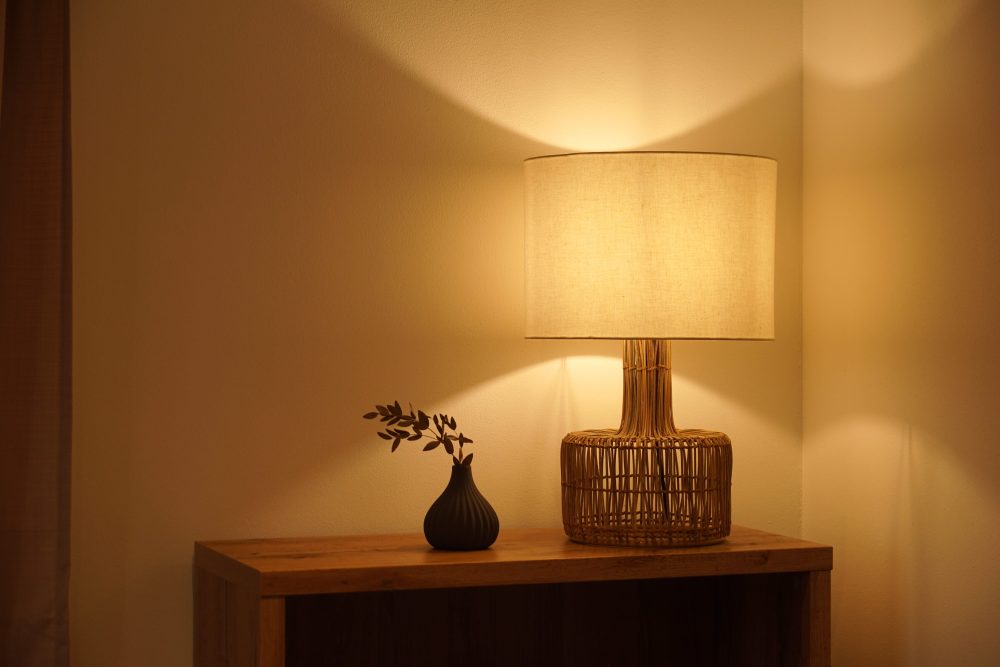
Why Are Some Outlets Controlled by a Light Switch? You walk into a room, flip the light switch, and a lamp plugged into the wall turns on. It seems like […]

Why Are Some Outlets Controlled by a Light Switch? You walk into a room, flip the light switch, and a lamp plugged into the wall turns on. It seems like […]
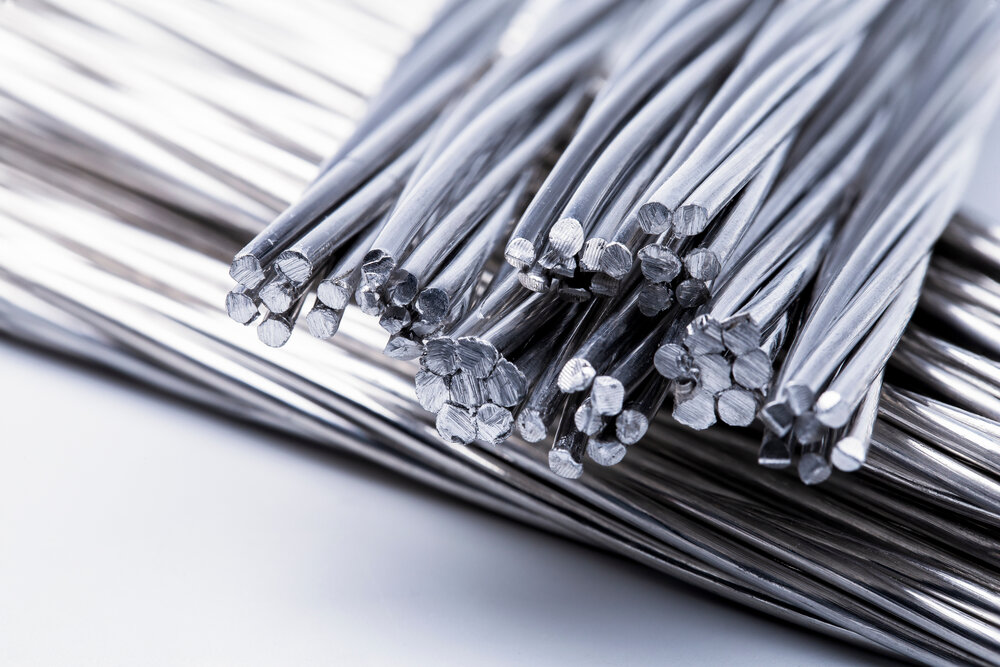
Does aluminum wiring make a house unsafe? Does it need to be completely replaced? And how can you tell whether your home has it in the first place?
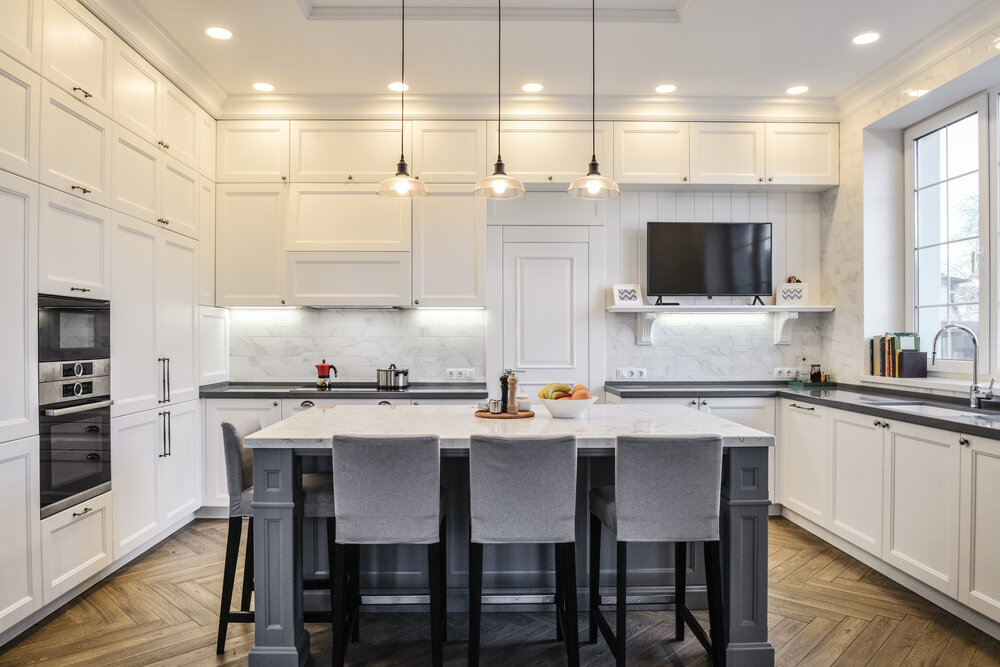
Good kitchen lighting isn’t just the fixtures. Behind the finished ceiling and walls is an electrical system that has to support all of that lighting safely and reliably.
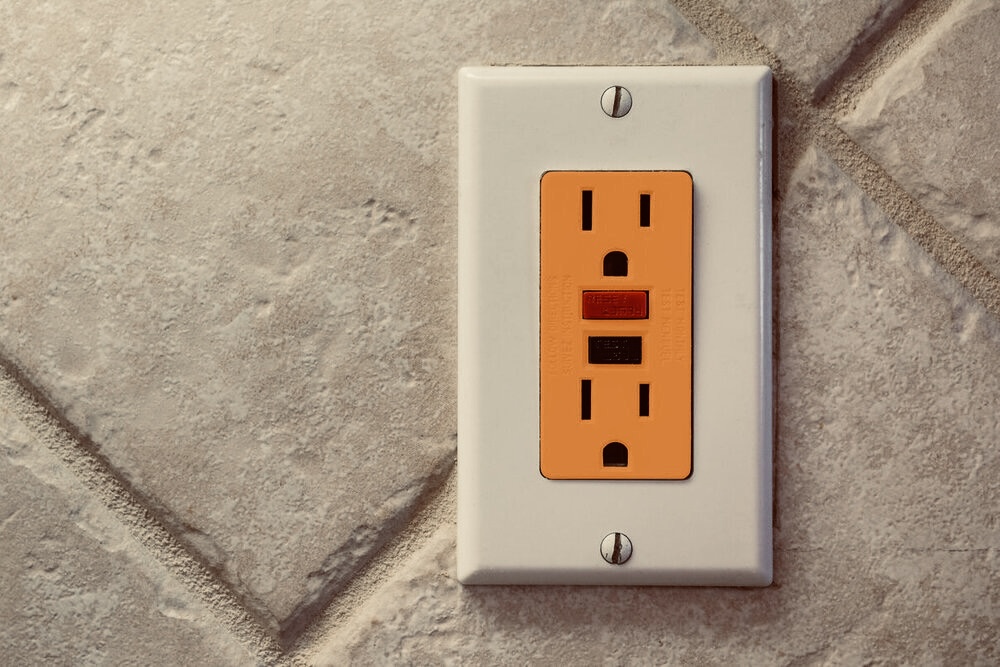
If you’ve ever noticed an orange electrical outlet, you’ve probably wondered why it looks different from the standard white or ivory receptacles around it.
Layered lighting combines different types of light to create a room that is better suited to the way you actually use the space.
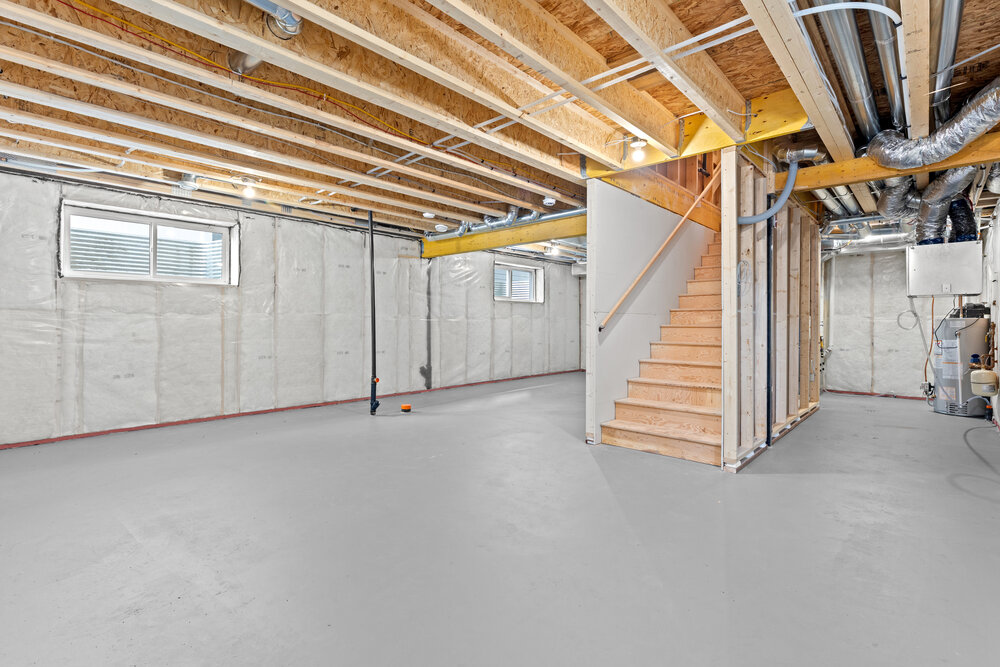
You’re finally doing it. The basement that has spent years storing holiday decorations, old furniture, and boxes you haven’t opened since your last move is about to become real living space.
Your electrical panel is one of the hardest-working systems in your home, but most homeowners rarely open it… unless something goes wrong.
Between months of rain, damp conditions, wind-driven storms, and the occasional freeze, outdoor fixtures in the PNW face some harsh conditions.
Some of the most noticeable improvements are surprisingly simple… and surprisingly affordable.
Most people spend time researching vehicles, charging speeds, and tax incentives, but far fewer consider whether their home’s electrical system is ready.