Layered Lighting: Stop Living with One Blinding Overhead Fixture
You know the lighting setup: one ceiling fixture in the middle of the room and one switch on the wall. Flip it on, and everything is technically visible.
But the light can be harsh, shadows fall in all the wrong places, and corners of the room still feel strangely dark. Turn it off, and suddenly you are reaching for a lamp just to find your way around. There’s a better approach.
Layered lighting combines different types of light to create a room that is brighter when you need it, softer when you want it, and better suited to the way you actually use the space. Instead of asking one fixture to do everything, you give each light source a job.
What Is Layered Lighting?
Layered lighting is exactly what it sounds like: using multiple sources and types of lighting throughout a room rather than relying on a single fixture.
Well-designed lighting plans use three primary layers:
- Ambient lighting provides general illumination throughout the room.
- Task lighting puts focused light where you perform specific activities.
- Accent lighting highlights architectural features, artwork, furniture, or other areas you want to draw attention to.
The three layers don’t necessarily require three completely separate fixtures. A well-placed combination of recessed lights, pendants, sconces, under-cabinet lights, lamps, and dimmers can work together to create a much more flexible lighting environment.
Layer 1: Ambient Lighting
Ambient lighting is the layer that allows you to move around, clean, entertain, or simply see what you are doing without relying on a flashlight. A traditional ceiling fixture can provide ambient light, but it doesn’t have to be your only source.
Depending on the room, ambient lighting might include:
- Recessed ceiling lights
- Flush-mount fixtures
- Chandeliers
- Multiple ceiling fixtures
- Wall-mounted fixtures
- Certain types of track lighting
The key is distribution. One fixture in the center of a room sends light outward from one location. Depending on the room’s size, ceiling height, furniture placement, and fixture, that can leave some areas brighter than others. Multiple appropriately positioned fixtures can distribute light more evenly and reduce the need for one extremely bright source.
Layer 2: Task Lighting
Ambient lighting helps you see the room. Task lighting helps you see what you are doing.
Think about the activities that happen in each space. In a kitchen, you might chop vegetables, read a recipe, or clean a countertop. In a home office, you may read documents or work at a computer. And in a bedroom, you might want enough light to read without illuminating the entire room.
Task lighting puts illumination where those activities happen. Some common examples include:
- Under-cabinet lighting in kitchens
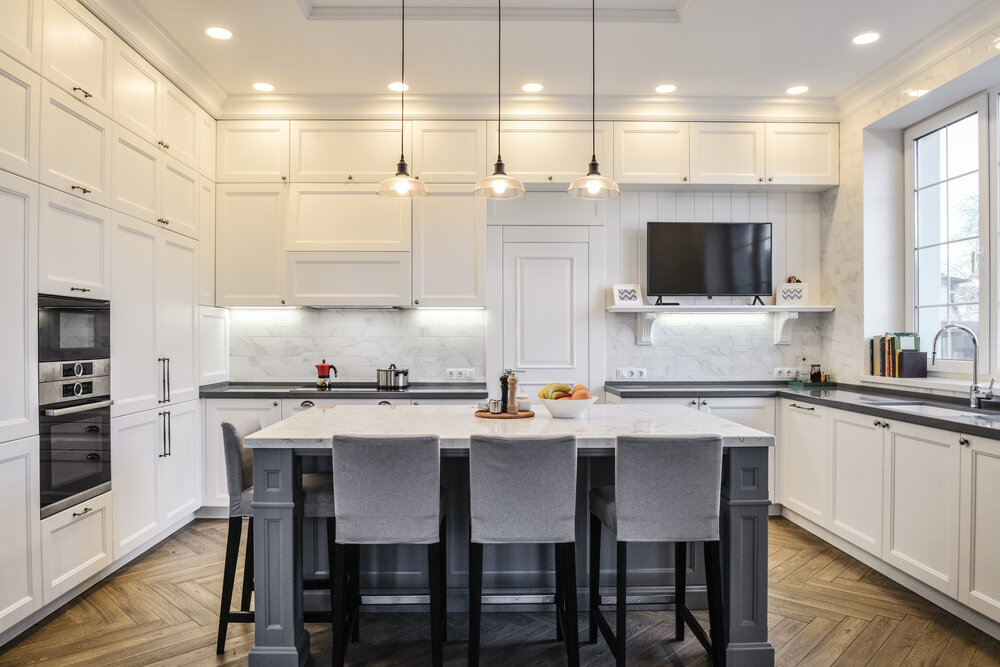
- Pendant lights over an island
- Desk lamps in offices
- Vanity lighting in bathrooms
- Reading lamps beside a bed or chair
- Lighting over a workbench or hobby area
Task lighting can also reduce your reliance on bright overhead lighting. If you are sitting down to read, for example, you don’y need every light in the room turned on.
Layer 3: Accent Lighting
Accent lighting is where lighting design gets interesting.
This layer highlights something rather than simply illuminating everything. Accent lights can draw attention to artwork, built-ins, architectural details, shelving, fireplaces, plants, or other features you want to emphasize.
Imagine a living room with a ceiling fixture switched off. Instead, a few strategically placed lights illuminate a piece of artwork, a bookshelf, and a comfortable reading chair. The room is still illuminated, but the light is coming from different locations and creating areas of visual interest.
That is one of the biggest advantages of layered lighting. You are no longer treating the entire room as one giant lighting zone.
Why One Overhead Fixture Falls Short
There is nothing inherently wrong with a ceiling fixture. But when all of your light comes from one location, you have limited control over brightness and direction. You may also end up with harsh light directly underneath the fixture while other parts of the room remain comparatively dim.
Then there is the problem of atmosphere. Bright overhead lighting might be useful when you are cleaning or looking for something you dropped on the floor. It is not necessarily what you want when you are watching a movie, having dinner, or relaxing at the end of the day.
Layered lighting gives you options. You can combine ambient, task, and accent lighting based on what you are doing instead of treating the light switch as an all-or-nothing decision.
Dimmers Are Part of the Layer
A dimmer can make an existing lighting setup considerably more flexible by allowing you to adjust the brightness for different activities and times of day.
For example, kitchen lighting may need to be bright while you are preparing dinner. Later, you may want the same space to feel softer while people are eating. A living room may need bright ambient lighting during the day, but lower levels of illumination in the evening.
Dimmers also work particularly well when you have multiple lighting layers. Instead of simply turning lights on or off, you can adjust each layer to create the right combination for the moment.
Fischer Electric installs dimmers as part of its residential lighting services, helping homeowners get more control over their lighting design.
How to Layer Lighting Room by Room
The right lighting combination depends on what happens in the space.
Kitchen
Start with ambient lighting for overall visibility. Then add task lighting underneath cabinets or over work areas where you prepare food. Pendant lighting over an island provides focused illumination while also serving as a visual feature.
If possible, put different lighting groups on separate switches or controls. That gives you much more flexibility than one switch controlling everything.
Living Room
Living rooms usually need to do several jobs, from entertaining to reading to watching television.
Consider combining ambient recessed or ceiling lighting with floor or table lamps for task lighting. Accent lighting can highlight artwork, built-ins, or architectural details.
The goal is to avoid creating one intensely bright area in the middle of the room while leaving everything else in shadow.
Bedroom
Bedrooms typically benefit from softer, more flexible lighting.
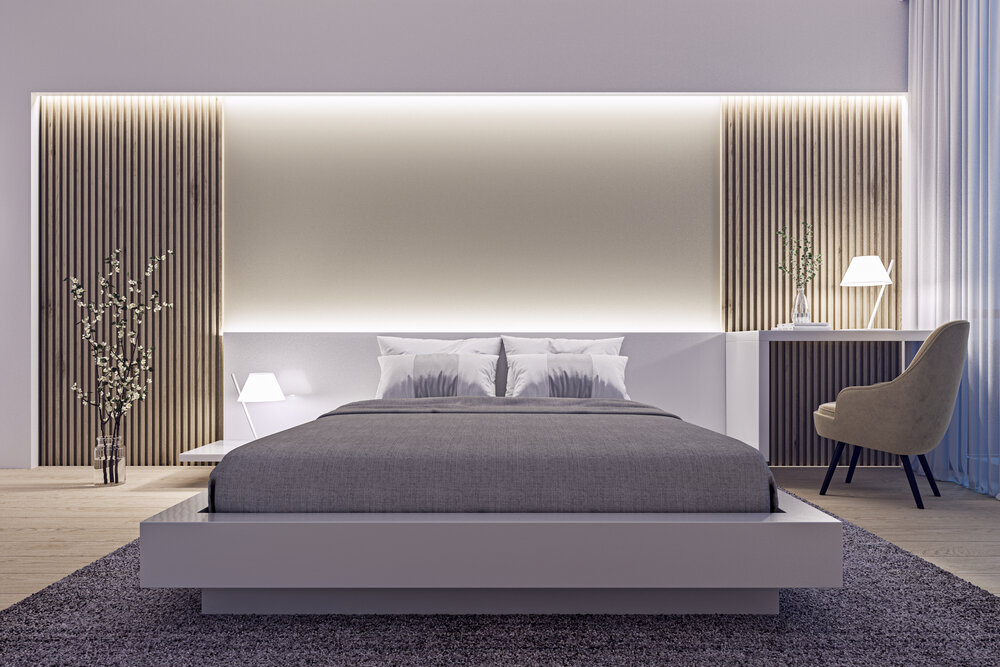
Ambient lighting provides general illumination, while bedside lamps or wall-mounted reading lights handle tasks. Accent lighting can add a little extra warmth or highlight architectural features. A dimmer can be particularly useful here.
Bathroom
Bathrooms need good functional lighting, particularly around mirrors and vanities.
Overhead lighting alone can create shadows on your face, making tasks like shaving or applying makeup more difficult. Combining ambient lighting with properly positioned vanity or wall lighting can provide more even illumination.
Home Office
A home office needs enough light for focused work without creating unnecessary glare.
Ambient lighting can provide general illumination while a desk lamp or other task light puts light directly where you need it. If you spend long hours at a desk, positioning and adjustability are just as important as brightness.
Consider Light Direction, Not Just Brightness
One of the easiest mistakes to make when improving a dark room is simply adding a brighter bulb.
Sometimes the problem isn’t that you need more light; you just need light in a different place. Adding another light source in the right location can accomplish more than simply increasing the brightness of the existing fixture.
Where do people sit? Where do they work? What architectural features deserve attention? Where are the countertops? Which areas feel too dark? Where does glare become a problem?
Answering those questions can help determine where additional lighting will actually make a difference.
You May Not Need to Start From Scratch
If your home currently has one ceiling fixture in each room, you may not need a complete electrical overhaul.
Depending on the existing wiring, ceiling construction, electrical capacity, and your goals, there may be several ways to improve the lighting.
For example, an electrician may be able to add recessed lights, install a new pendant, add wall lighting, create additional switching, or install dimmers. The best solution depends on the home and the room.
Adding multiple fixtures also involves more than choosing attractive lights. Wiring, electrical boxes, circuit capacity, and the construction of the ceiling or walls all need to be considered.
Fischer Electric’s residential lighting services include interior LED lighting, recessed lighting, pendant lights, and dimmers, as well as lighting upgrades and repairs.
Better Lighting Starts with How You Live
The best lighting design isn’t the one with the most fixtures. It’s the one that gives you the right light in the right places.
Before adding anything, walk through the room at different times of day and think about how you use it.
Where do you need more light? Where do you experience glare? Which areas feel dark even when the overhead fixture is on? What activities require focused lighting? And when would you prefer softer, lower-level illumination?
Those answers help build a lighting plan that works for your actual life instead of simply replacing one bright ceiling fixture with another.
Retire the One-Fixture-Fits-All Approach
If your home’s lighting feels harsh, uneven, or simply outdated, layered lighting could be the upgrade you have been missing.
Fischer Electric can help you explore options for recessed lighting, pendant fixtures, LED lighting, dimmers, and other residential lighting improvements. With the right combination of fixtures and controls, your home’s lighting can become more functional, comfortable, and adaptable.
You don’t have to live under one blinding overhead fixture forever. Sometimes, better lighting simply means giving every light a job.