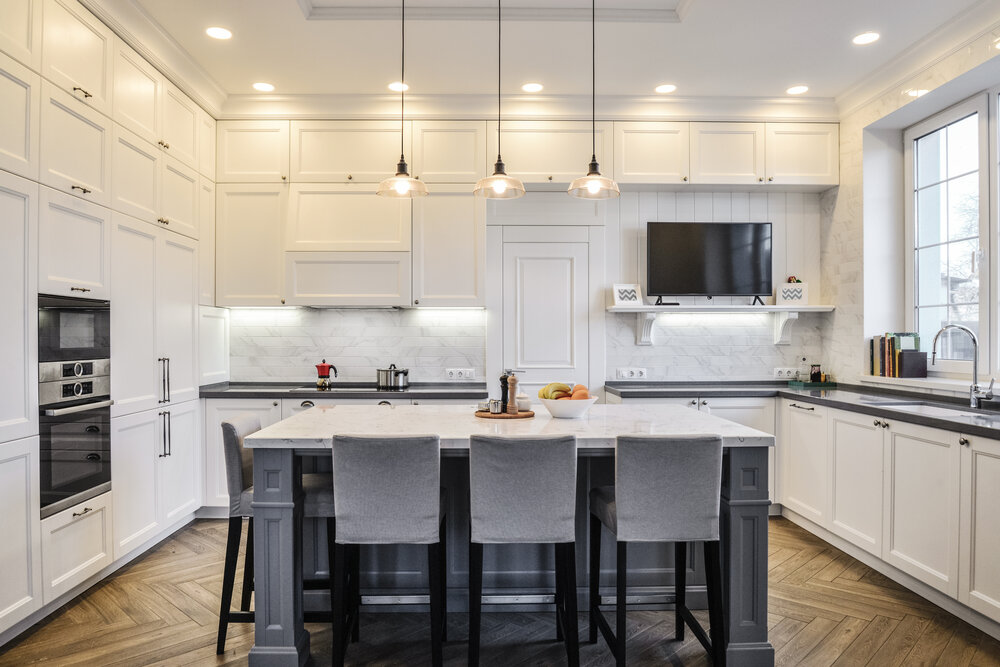

A dimmer switch makes a room more comfortable, gives you better control over lighting, and helps create the right atmosphere for different activities. But before you swap out a standard light switch, there’s one important question: Is your existing lighting setup compatible with a dimmer?
The short answer is that most lights can be connected to a dimmer, but not every bulb, fixture, or electrical setup will work with every dimmer switch. A few details matter, including the type of bulbs you use, the wiring behind the switch, and whether the light is controlled from one location or multiple switches.
Start With Your Light Bulbs
One of the biggest factors in choosing a dimmer is the type of bulb installed in your fixture.
LED bulbs are often compatible with dimmer switches, but only when the bulbs are specifically labeled as dimmable. Older dimmers designed for incandescent bulbs may not provide the right electrical load for newer LED technology, which can lead to flickering, buzzing, or uneven dimming.
Incandescent and halogen bulbs are generally compatible with traditional dimmer switches. However, you still need to choose a dimmer rated for the fixture’s total wattage.
Compact Fluorescent (CFL) bulbs are more complicated. Only certain CFL bulbs are designed to work with dimmers, and they require a compatible dimmer switch.
If you’re upgrading to LED lighting, check both the bulb and dimmer specifications. Choosing compatible components from the start can prevent problems later.
Does Your Existing Wiring Support a Dimmer?
In many homes, replacing a standard switch with a compatible dimmer is relatively straightforward. However, the wiring behind the switch affects which dimmer you can install.
Some dimmers require a neutral wire, but others operate without one. Whether a neutral wire is available in your existing switch box depends partly on the home’s age and how the electrical circuit was installed.
The electrical box also needs enough space to accommodate the new switch. Many dimmers are larger than standard switches, and crowded boxes make installation more complicated.
If you’re unsure what’s behind your existing switch plate, have an electrician inspect the wiring before purchasing a replacement.
Single-Pole vs. 3-Way Dimmer Switches
Another consideration is how many switches control the same light.
Single-pole switches control a light from one location. If your light has one switch, you’ll typically need a single-pole dimmer.
3-way switches allow you to control the same light from two different locations. You might find these in hallways, stairways, or rooms with multiple entrances. If you want to add dimming to a 3-way lighting setup, you’ll need a dimmer specifically designed for that configuration.
Some 3-way dimmers work with a compatible standard switch at the second location, while others require a matching companion dimmer. The manufacturer’s instructions will specify what’s necessary.
Why Does My Dimmer Switch Flicker or Buzz?
If you’ve already installed a dimmer and noticed flickering, buzzing, or inconsistent brightness, the problem may be a compatibility issue.
Common causes include:
- Incompatible LED bulbs: The bulb and dimmer may not be designed to work together.
- An outdated dimmer: Older dimmers may not handle the lower electrical load of modern LED bulbs.
- Overloaded circuits or dimmers: Exceeding the dimmer’s rated capacity causes performance issues.
- Loose wiring: A poor electrical connection contributes to flickering and other electrical problems.
- Low-end dimming limitations: Some LED bulbs don’t dim smoothly all the way down, even when they’re technically compatible.
A little buzzing can occur with certain dimmer and bulb combinations, but don’t ignore persistent or unusual buzzing. If you notice flickering, heat, a burning smell, or other signs of an electrical problem, stop using the switch and have an electrician inspect it.
Is It Time to Call an Electrician?
Adding a dimmer switch may seem like a small upgrade, but getting the right combination of switch, bulbs, and wiring matters. An incompatible dimmer creates frustrating lighting problems, and incorrect wiring introduces electrical hazards.
A licensed electrician can check your existing wiring, identify the right dimmer for your lighting setup, and ensure safe installation. This is especially helpful in older homes, multi-switch configurations, or rooms where you’re upgrading several fixtures at once.
At Fischer Electric, we help Seattle-area homeowners make practical electrical upgrades that improve the comfort, functionality, and safety of their homes. Whether you’re adding dimmers to a single room or planning a larger lighting update, our team can help you find the right solution.
Contact Fischer Electric to schedule an electrical service appointment.