Outdoor Lighting That Survives Pacific Northwest Weather
If you live in the PNW, you know outdoor lighting has a tough job. Between months of rain, damp conditions, wind-driven storms, and the occasional freeze, outdoor fixtures face some of the harshest conditions a home can face.
Unfortunately, many homeowners discover that not all “outdoor-rated” lighting is built to handle the realities of a Seattle-area climate. The result is corroded fixtures, flickering lights, water damage, and frequent replacements.
The good news is that with the right lighting products, installation methods, and maintenance practices, your outdoor lighting can provide years of reliable performance without becoming a recurring repair project.
Why Outdoor Lighting Fails in the PNW
Moisture is the biggest enemy of outdoor electrical systems. Rain may seem like the obvious culprit, but the real challenge is prolonged exposure to damp conditions.
Unlike regions that experience short bursts of heavy rain followed by dry weather, Pacific Northwest homes often endure weeks or months of continuous moisture. Water can find its way into poorly sealed fixtures, electrical connections, junction boxes, and wiring systems. Over time, this leads to corrosion, short circuits, and premature fixture failure.
Even fixtures marketed for outdoor use may not hold up if they are only rated for damp locations rather than direct exposure to rain and moisture. Industry guidelines distinguish between damp-rated fixtures and wet-rated fixtures, with wet-rated products specifically designed to withstand direct exposure to rain, snow, and other weather conditions.
Start with Wet-Rated Fixtures
A true wet-rated fixture is engineered with sealed components, weather-resistant materials, and protective housing that prevents water intrusion. These fixtures are intended for areas where rain, snow, and moisture are routine parts of the environment.
When evaluating outdoor lighting products, pay close attention to their weather ratings and construction quality. Look for fixtures that are wet-location rated, offer IP65 or higher protection for exposed areas, and use corrosion-resistant materials. Sealed LED components and UL-listed outdoor certifications provide additional peace of mind that the fixture can withstand years of Pacific Northwest weather. While premium fixtures often cost more initially, they typically pay for themselves through fewer repairs and replacements.
Choose Materials That Resist Corrosion
Not all metals age the same way in Pacific Northwest weather.
Fixtures made from inexpensive steel often begin showing rust within a few seasons. Once corrosion starts, moisture can penetrate deeper into the fixture and damage electrical components.
For longer-lasting performance, consider:
- Stainless steel fixtures
- Brass fixtures
- Marine-grade aluminum
- Powder-coated finishes designed for outdoor use
Many professional-grade outdoor lighting systems use these materials because they hold up significantly better in damp climates and coastal environments.
LED Technology Eliminates Common Failure Points
Older outdoor lighting systems relied on replaceable bulbs and fixtures that generated substantial heat. Heat and moisture are a bad combination.
Modern LED lighting solves many of these issues by:
- Producing less heat
- Using sealed lighting assemblies
- Consuming less energy
- Offering significantly longer lifespans
- Reducing the need for frequent bulb changes
Many high-quality outdoor LED fixtures are fully sealed, helping prevent moisture intrusion that commonly causes failures in traditional lighting systems.
The Installation Matters as Much as the Fixture
Even the best lighting fixture can fail if installed incorrectly.
Professional electricians use weatherproof installation techniques specifically designed to keep moisture away from electrical connections. This includes:
- Weatherproof junction boxes
- Sealed conduit connections
- Proper wire connectors
- Drip loops that direct water away from electrical components
- GFCI protection where required
- Strategic fixture placement to minimize water exposure
These details often determine whether a lighting system lasts five years or fifteen years. Proper sealing and moisture management are particularly important in the Pacific Northwest, where water has plenty of opportunities to find weak points.
Smart Controls Reduce Wear and Tear
Another overlooked way to extend the life of outdoor lighting is reducing unnecessary operating time.
Smart lighting controls can automatically adjust operation based on daylight, occupancy, or customized schedules. Depending on your goals, this might include motion-activated security lighting, dusk-to-dawn operation, programmable timers, smart home integration, or vacation settings that make your home appear occupied while you’re away. In addition to improving convenience and security, these controls help reduce energy use and unnecessary wear on lighting components.
Focus on the Areas That Need Reliable Lighting Most
Some outdoor lighting locations are more critical than others.
If you’re upgrading your system, prioritize:
- Entry doors
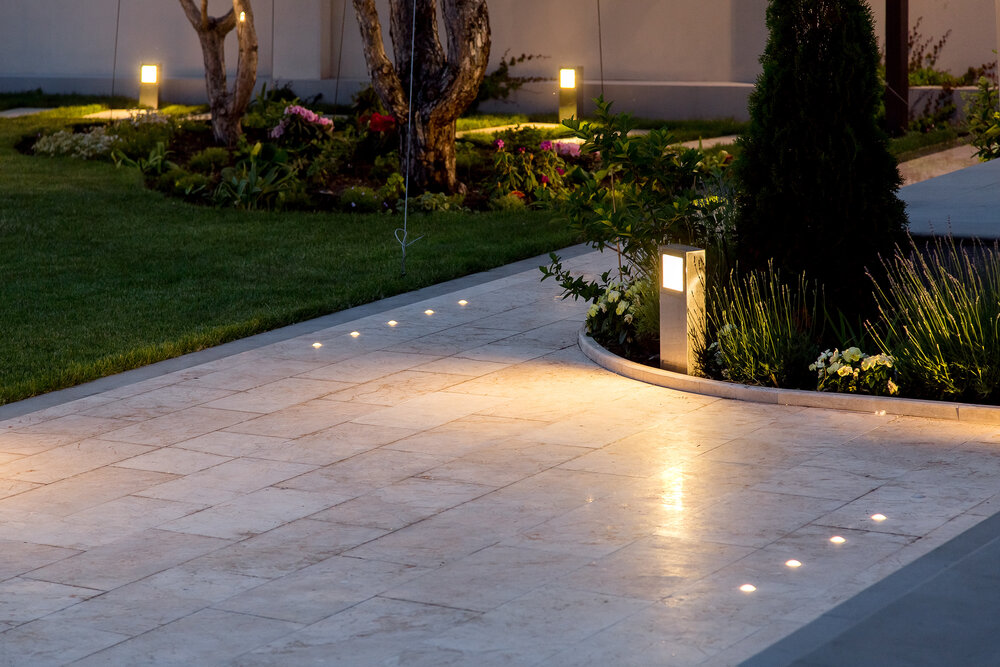
- Walkways and pathways
- Stairs
- Driveways
- Garage entrances
- Patio and deck areas
- Security lighting zones
Reliable illumination in these locations improves safety, security, and everyday usability while helping you get the greatest value from your investment.
Don’t Ignore the Small Warning Signs
Outdoor lighting rarely fails without warning.
If you notice any of the following issues, have the system inspected before a minor problem becomes a major repair:
- Flickering fixtures
- Water inside fixture lenses
- Rust or corrosion
- Lights that randomly stop working
- Tripped breakers
- Discolored wiring or connections
- Fixtures pulling away from mounting surfaces
Addressing these problems early can often prevent more extensive electrical repairs later.
Built for Seattle Weather
Outdoor lighting should make your home safer, more attractive, and easier to enjoy year-round. It shouldn’t become a recurring maintenance headache every rainy season.
By choosing wet-rated fixtures, corrosion-resistant materials, sealed LED technology, and professional installation practices, homeowners can build lighting systems that stand up to Pacific Northwest weather for years to come.
If your current outdoor lighting is showing signs of wear or you’re planning a new installation, the licensed electricians at Fischer Electric can help design and install a system built specifically for Seattle’s challenging climate. From pathway lighting and security illumination to landscape accents and smart controls, the right outdoor lighting can shine through every season.