How to Read Your Electric Panel Like an Electrician
Your electrical panel is one of the hardest-working systems in your home, but most homeowners rarely open it… unless something goes wrong. When a breaker trips or you’re trying to identify which circuit powers a room, knowing how to read your panel can save time, reduce frustration, and help you communicate more effectively with an electrician.
Electrical panels contain dangerous voltage and should only be serviced by qualified professionals. The goal isn’t to turn you into an electrical expert. But understanding the basics can help you recognize warning signs, locate important information, and know when it’s time to call for help.
Think of Your Electrical Panel as Your Home’s Control Center
Your electrical panel distributes electricity from the utility company to every circuit in your home. Each breaker protects wiring by shutting off power if a circuit becomes overloaded or develops a fault.
When everything is working properly, your panel quietly does its job every day. If something isn’t right, however, the panel often provides clues.
What You’ll Find Inside
When you open the panel door (without removing the protective cover), you’ll typically see several important components.
Main Breaker
Usually located at the top of the panel, the main breaker controls power to your entire home. It should be labeled with its amperage rating, such as 100, 150, or 200 amps. This number represents the maximum electrical capacity your home’s service can safely handle.
Individual Circuit Breakers
Below the main breaker are rows of smaller breakers. Each one protects a specific circuit that powers outlets, lights, appliances, or dedicated equipment. Ideally, each breaker should have a clear label with what it controls.
What the Labels Should Tell You
One of the first things electricians check is whether the panel directory is accurate. A well-labeled panel might include entries like:
- Master Bedroom Lights
- Kitchen Counter Outlets
- Microwave
- Garage GFCI
- Dishwasher
- Upstairs Bathroom
Unfortunately, many older homes have labels like:
- Room
- Lights
- Misc.
- Spare
- ???
Or worse, no labels at all. If your panel directory is incomplete or inaccurate, have it updated. It makes future repairs, remodels, and emergencies much easier.
Understanding Breaker Sizes
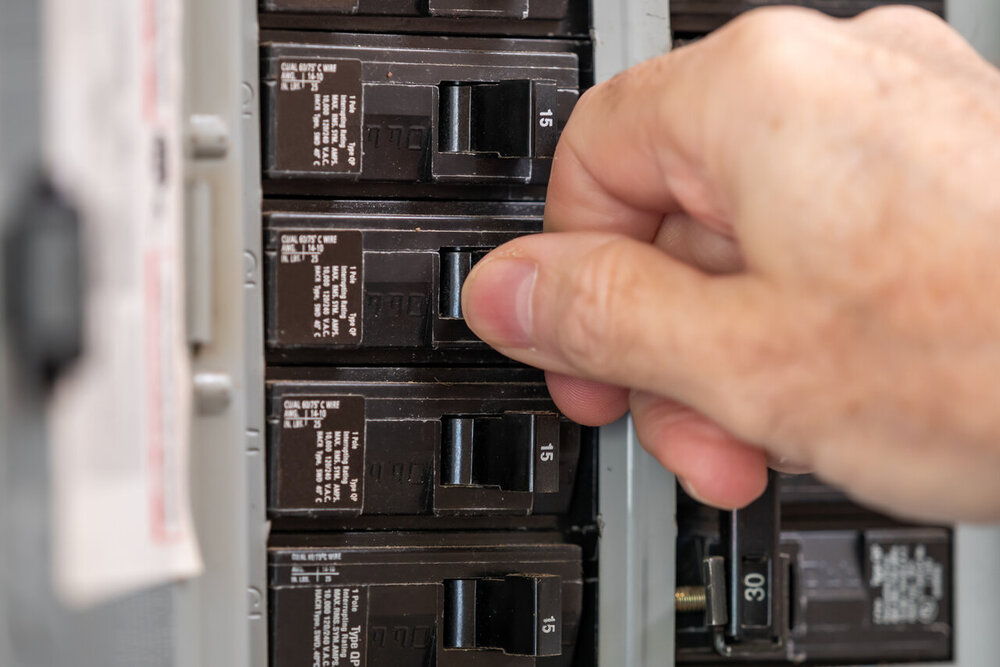
Each breaker has a number printed on its switch. Common sizes include:
- 15 amps: Most lighting and standard outlet circuits
- 20 amps: Kitchens, bathrooms, garages, laundry rooms, and some newer outlet circuits
- 30–50 amps: Large appliances like dryers, ranges, water heaters, or air conditioners
- 60 amps or more: Subpanels or specialty equipment
Bigger doesn’t necessarily mean better; every breaker is sized to protect the wiring connected to it. Installing a larger breaker without upgrading the wiring can create a fire hazard.
How to Tell if a Breaker Has Tripped
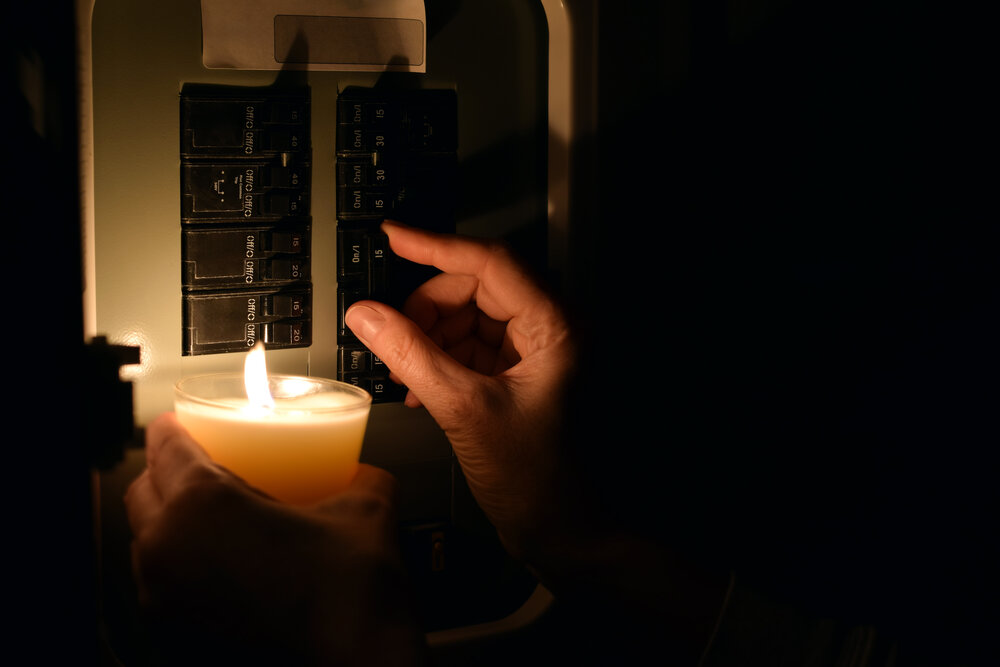
A tripped breaker doesn’t always move fully to the OFF position. Sometimes it sits somewhere between ON and OFF.
To reset it safely:
- Move the breaker completely to OFF.
- Then switch it firmly back to ON.
If the breaker immediately trips again, don’t continue resetting it. That indicates an electrical problem that needs professional diagnosis.
Signs Your Panel May Need Attention
While reading your panel, watch for signs that something isn’t normal. Contact an electrician if you notice:
- Rust or corrosion
- Burn marks
- A burning smell
- Buzzing or crackling sounds
- Breakers that frequently trip
- Warm breakers or panel cover
- Loose or missing breaker labels
- Empty openings where breakers should be covered
These symptoms don’t always indicate a major failure, but they should never be ignored.
Is Your Panel Large Enough?
Many homes in the Seattle area were built decades before today’s electrical demands. Today’s homes often require additional power for electric vehicle chargers, HVAC equipment, smart home technology, high-powered appliances and other modern equipment.
If your panel is already full or you’re relying heavily on extension cords and power strips, your electrical system may be approaching its limits. Before adding new equipment, it’s a good idea to have an electrician perform a load calculation to determine whether your existing panel has enough available capacity.
What Homeowners Can Do, And What They Shouldn’t
There are a few safe tasks homeowners can perform around an electrical panel. You can read breaker labels, reset a tripped breaker, keep the area around the panel clear, and report unusual signs to an electrician.
However, you should never:
- Remove the panel cover
- Touch wiring inside the panel
- Replace breakers yourself
- Add new circuits
- Ignore recurring electrical problems
Even with the main breaker turned off, portions of the panel remain energized and can present a serious shock hazard.
A Little Knowledge Goes a Long Way
Understanding your electrical panel won’t replace the experience of a licensed electrician, but it can make you a more informed homeowner. Knowing where your breakers are, what they control, and how to recognize warning signs helps you respond more confidently when electrical issues arise.
If your panel is outdated, poorly labeled, frequently tripping breakers, or you’re planning a remodel, EV charger, or other electrical upgrade, it’s worth having it evaluated before small issues become expensive ones.
At Fischer Electric, we’ve been helping Seattle-area homeowners keep their electrical systems safe, reliable, and ready for modern living for decades. Whether you need troubleshooting, a panel inspection, a load calculation, or a complete panel upgrade, our licensed electricians can make sure your home’s electrical system is prepared for whatever comes next.