
How to Spot Dangerous Outlets and Wiring Problems
Electrical problems don’t always announce themselves in obvious ways. Sometimes it’s a faint smell, a warm outlet, or a breaker that trips just a little too often. Easy to ignore, and easy to explain away.
But those small warning signs are often your home’s way of saying something isn’t right. Here’s how to recognize the red flags early, what they might mean, and when it’s time to bring in a professional.
When an Outlet Doesn’t Look Right
Start with a quick visual check. You don’t need any tools for this, just your attention.
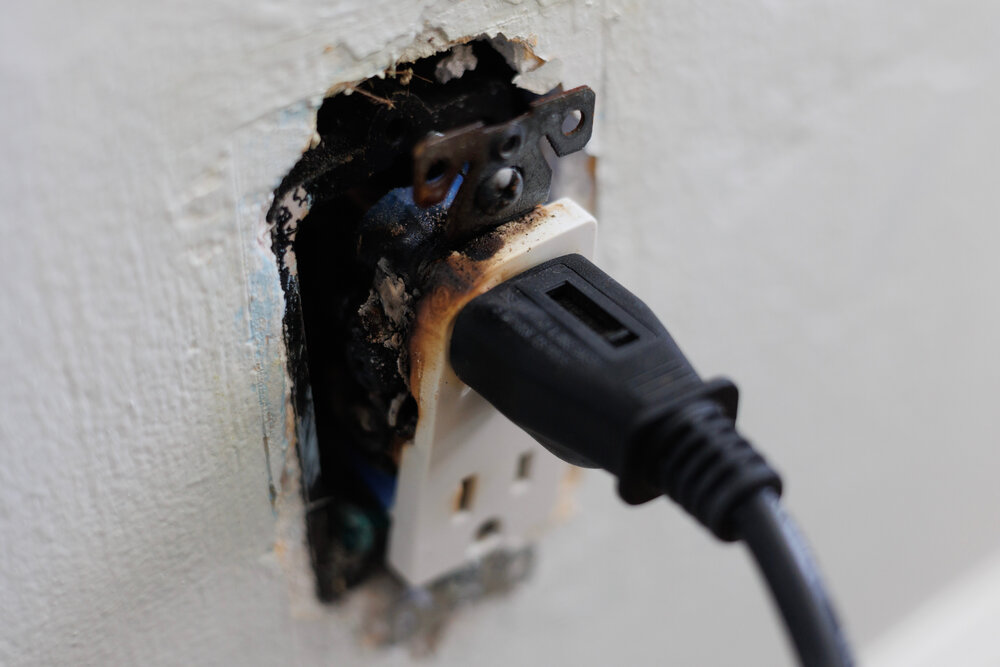
Outlets that are discolored, cracked, or warped are not just cosmetic issues. That browning or melting look usually points to heat buildup, which means electricity isn’t flowing the way it should.
If you ever see:
- Dark marks or scorch marks
- Loose outlets that shift when you plug something in
- Faceplates that feel brittle or damaged
It’s worth taking seriously. These are often signs of overheating or worn-out components behind the wall.
Warm or Buzzing Outlets
An outlet should never feel warm to the touch. If it does, something is wrong.
And if you hear a faint buzzing or crackling sound, that’s another signal. Electricity should move silently. Noise usually means loose wiring or a connection that isn’t secure.
Think of it like a loose lid on a jar. It might hold for a while, but pressure builds over time. If you notice either heat or sound, stop using that outlet and have it checked.
Lights That Flicker or Dim
A flickering light isn’t always just a bad bulb. If it happens occasionally when a large appliance kicks on, that can be normal. But if lights flicker regularly, dim unexpectedly, or seem to pulse, it could point to a wiring issue.
Pay attention to patterns:
- Does it happen in one room or throughout the house?
- Does it happen when nothing else is running?
Consistent flickering often points to a deeper electrical problem that needs attention.
Breakers That Trip Too Often
Your breaker panel is designed to protect your home. When it trips, it’s doing its job… but frequent tripping is not normal.
If you’re resetting the same breaker over and over, that circuit may be overloaded or there could be a wiring fault. Ignoring it and continuing to reset the breaker doesn’t solve anything. It just delays the problem.
Outlets That Don’t Hold Plugs
If plugs fall out easily or don’t stay firmly in place, the internal contacts inside the outlet may be worn out. That loose connection can lead to arcing, which is when electricity jumps between gaps instead of flowing cleanly.
Over time, that can create heat and increase fire risk. It’s a small issue that’s quick to fix, but important not to ignore.
A Quick Check You Can Do Today
Walk through your home and take five minutes to check a few key spots:
- Kitchens and bathrooms
- Older rooms that haven’t been updated
- Areas with lots of electronics or extension cords
Look, listen, and lightly touch. You’re not diagnosing anything, just noticing what seems off. If something doesn’t feel right, it probably isn’t.
When It’s Time to Call in Help
Electrical systems aren’t something to experiment with. If you’re seeing any of these signs, especially more than one, it’s best to have a licensed electrician take a closer look.
Catching problems early is almost always simpler and more affordable than dealing with damage later.
A Safer Home Starts with Small Checks
Most electrical issues don’t happen overnight. They build slowly, giving you chances to catch them along the way.
If you’ve noticed something unusual or just want peace of mind, the team at Fischer Electric is here to help. No pressure. Just honest guidance and safe, reliable solutions for your home.