
You plug in a toaster, lamp, or another appliance, but nothing happens. The outlet seems fine, so what gives?
An outlet can supply power and still have an electrical problem that prevents appliances from working properly. The issue could be a faulty appliance, a voltage problem, or a loose connection inside the outlet or wiring.
Here’s how to narrow down the possibilities and when to call an electrician.
Start With the Outlet and Appliance
First, plug in a small device that you know works, such as a lamp or phone charger, into the outlet. If it works, try the appliance in a different outlet that’s appropriate for its electrical requirements, following the manufacturer’s instructions.
These simple checks help determine whether the problem follows the appliance or stays with the original outlet.
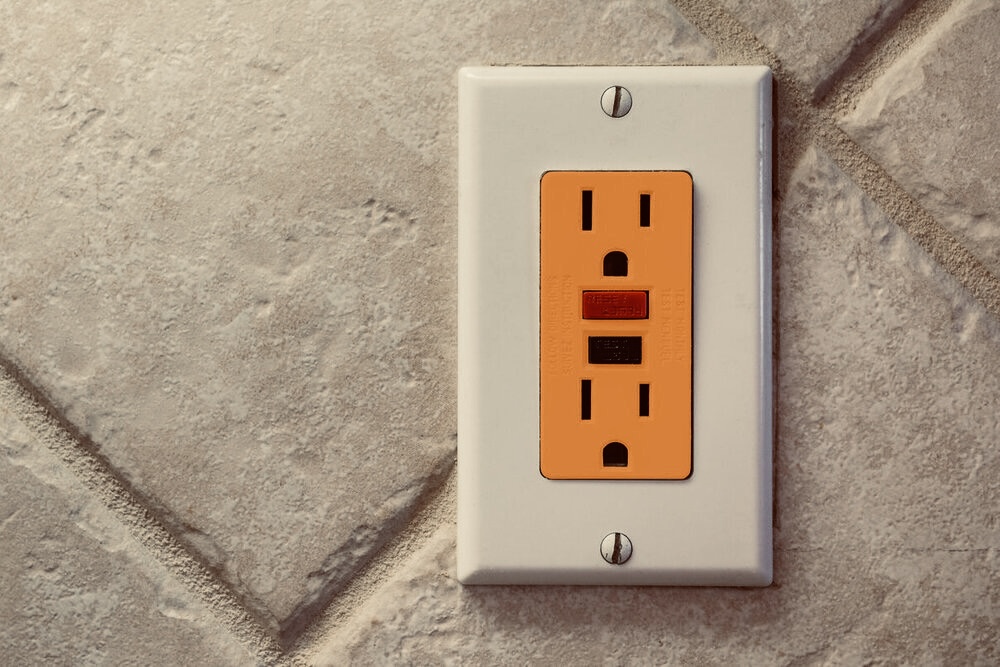
If neither device works, check your circuit breaker and look for a tripped GFCI outlet. GFCI outlets are common in kitchens, bathrooms, garages, basements, and outdoor areas. One tripped GFCI can interrupt power to other outlets on the same circuit.
If the appliance works elsewhere but not at the original outlet, the electrical supply needs further investigation. Even if a lamp or charger works, the outlet could still have a problem that becomes apparent when a larger appliance draws more power.
Could It Be a Voltage Problem?
Most standard outlets in the United States supply approximately 120 volts, while some larger appliances require 240 volts. If the voltage is too low or fluctuates, an appliance may struggle to start, shut off unexpectedly, or fail to operate.
Possible causes include an overloaded circuit, damaged wiring, poor electrical connections, or an issue with the electrical supply.
Voltage problems aren’t always obvious. If appliances behave inconsistently or lights flicker when equipment starts up, an electrician can measure the voltage and determine whether the outlet and circuit are operating correctly.
Don’t Overlook Loose Connections
Electrical connections can loosen over time because of wear, normal use, or other factors. A loose connection may allow some power through while creating an unreliable connection or excess heat.
Watch for warning signs such as:
- Power that cuts in and out
- Buzzing or crackling near an outlet
- A plug or outlet that feels unusually warm
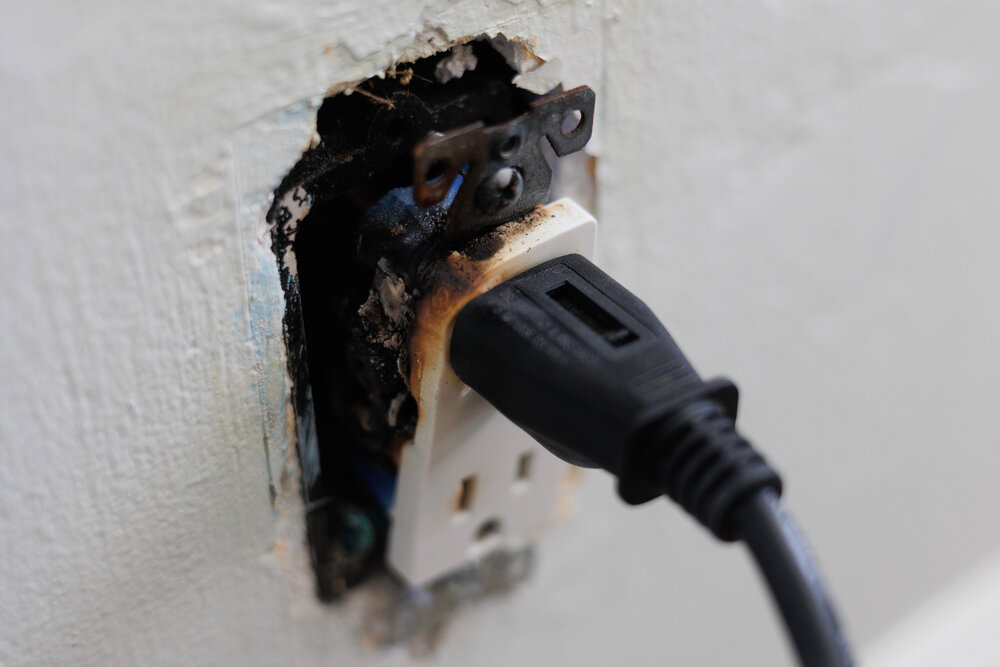
- Scorch marks or discoloration around the receptacle
Loose connections create a fire hazard, so don’t ignore these symptoms. Stop using the outlet, and if you can safely identify the affected circuit breaker, switch it off. Don’t remove the outlet cover or attempt to repair the wiring yourself. Have a licensed electrician inspect it.
When Should You Call an Electrician?
If basic checks don’t resolve the issue, an electrician can test the outlet’s voltage, inspect the wiring and connections, and determine whether the problem involves the receptacle, circuit, or electrical panel.
Professional help is especially important if the problem keeps returning, multiple outlets are affected, breakers trip repeatedly, or lights and appliances experience unexplained power fluctuations.
If you notice sparks, smoke, or a burning smell, stay away from the outlet and treat the situation as a potential electrical hazard. Call 911 if there’s an immediate fire emergency.
Let’s Get to the Bottom of the Problem
An outlet that appears to have power doesn’t always tell the whole story. The cause could be a faulty appliance, a voltage issue, or an electrical connection that needs attention.
Fischer Electric provides professional electrical services throughout the Greater Seattle area, helping homeowners and businesses diagnose electrical problems and find the right solution.
Contact us to schedule an inspection and get help from an experienced electrical professional.