My Home Doesn’t Have Enough Electrical Outlets! What Are My Options?
There was a time when a couple of outlets per room were enough.
But with smartphones, laptops, televisions, gaming systems, kitchen appliances, smart home devices, and everything else we plug in, today’s homes have very different electrical needs than they did a few decades ago.
In older homes especially, the original outlet placement and electrical capacity may not be enough to keep up with modern living. Power strips and extension cords help temporarily, but relying on them isn’t a long-term solution.
If you’re unplugging one device just to make room for another, it may be time to consider adding more.
Why Older Homes Don’t Have Enough Outlets
Electrical systems are typically designed around the needs of the time. A home built 40 or 50 years ago wasn’t designed to accommodate multiple televisions, computers, phone chargers, countertop appliances, and other electronics in every room.
Even if the electrical system is functioning properly, the number and placement of outlets may no longer make sense for how your household uses each room.
For example:
- Living rooms: TVs, streaming devices, gaming consoles, sound systems, lamps, and phone chargers quickly use up available outlets.
- Kitchens: Coffee makers, air fryers, microwaves, toasters, and other countertop appliances create a greater demand for convenient power access.
- Bedrooms: Alarm clocks, bedside lamps, phones, tablets, and other personal electronics require more outlets than older rooms provide.
- Home offices: Computers, monitors, printers, routers, and charging stations make a single wall outlet feel especially limiting.
- Bathrooms: Hair dryers, electric toothbrushes, and other personal care devices make properly placed, GFCI-protected outlets important.
The problem isn’t about electrical capacity. Sometimes, you simply need more convenient places to plug things in.
The Problem With Extension Cords and Power Strips
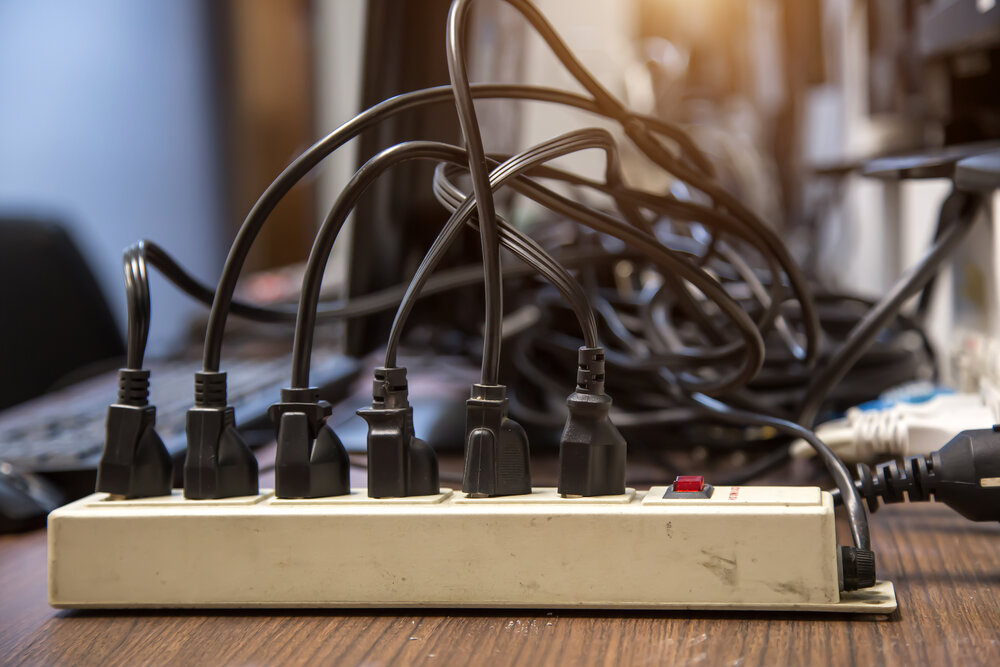
Extension cords and power strips have their place, but they shouldn’t become permanent substitutes for properly installed outlets.
When too many devices are plugged into the same outlet or circuit, you can overload the circuit. This may cause a breaker to trip, but overloaded electrical components and damaged cords create overheating and fire hazards.
Watch for warning signs like:
- Frequently tripping circuit breakers.
- Warm or discolored outlets and plugs.
- Extension cords running under rugs or across walkways.
- Multiple power strips connected together.
- Loose plugs that don’t stay securely in an outlet.
Not all extension cords are designed for continuous use or high-powered appliances. Using the wrong cord for an appliance can create additional safety concerns.
If you find yourself depending on extension cords in several rooms, having a licensed electrician evaluate your outlet placement and electrical capacity is a better long-term approach.
Do You Need Outlets or Additional Circuits?
Adding outlets sounds straightforward, but it depends on how much electricity you need and where you need it.
In some situations, an electrician can add outlets to an existing circuit. This is a practical option when you simply need more convenient access to power and the existing circuit has enough capacity.
But adding more outlets doesn’t give you more electrical capacity. If several high-demand devices share the same circuit, adding outlets to that circuit won’t solve an underlying capacity problem.
An additional dedicated circuit might be necessary when:
- You’re adding appliances with higher electrical demands.
- A home office or entertainment area needs to support several devices.
- Kitchen appliances are frequently overloading an existing circuit.
- A room’s electrical needs have changed significantly.
- Your current circuits are already carrying a heavy load.
Dedicated circuits are especially important for certain large appliances and equipment that require their own electrical supply. Fischer can evaluate your existing panel, wiring, and expected electrical demand to determine whether adding outlets, installing a new circuit, or making a larger electrical upgrade makes the most sense.
Adding Outlets During a Renovation
If you’re already planning a kitchen remodel, finishing a basement, updating a bathroom, or renovating another part of your home, it’s a good time to think about outlet placement.
When walls are already open, it’s easier to run new wiring and install additional outlets before drywall and finishes go in. Planning ahead helps you avoid the cost and disruption of making electrical changes later.
A few things to consider:
How will you use the space?
Think about where furniture, appliances, electronics, and work areas will be located. An outlet that’s technically available but hidden behind a large piece of furniture may not be very useful.
Where do you need dedicated power?
Consider appliances, home office equipment, entertainment systems, and other devices that may need dedicated circuits or additional electrical capacity.
Are your outlets in the right locations?
Kitchen counter areas, bathroom vanities, bedside locations, and home office workspaces all have different electrical needs. Your electrician can help determine appropriate outlet placement and required protections.
Are there opportunities to prepare for future needs?
Even if you don’t currently have an electric vehicle charger, additional workshop equipment, or other high-demand electrical needs, it’s worth discussing future plans during a renovation.
Does your electrical panel have enough capacity?
Adding outlets and circuits may require available space in your electrical panel, and the panel itself may need an upgrade if it can’t support your home’s electrical demands.
More Convenient Power, Less Clutter
You shouldn’t have to rearrange your furniture, unplug one device to use another, or run extension cords across the room just to power everyday electronics.
Whether you need a few additional outlets, new dedicated circuits, or an evaluation of your home’s overall electrical capacity, we can help you find the right solution.
Fischer Electric provides professional electrical services throughout Greater Seattle, helping make homes safer and more functional. If your home’s electrical setup isn’t keeping up with your needs, contact Fischer Electric to discuss adding outlets or upgrading your electrical system.