Thinking About an EV in the Next 5 Years? Prepare Your Electrical Panel Now
Electric vehicles are becoming more common every year, and many homeowners are already planning ahead for their first EV purchase. But while most people spend time researching vehicles, charging speeds, and tax incentives, far fewer consider whether their home’s electrical system is actually ready for the transition.
Your electrical panel plays a major role in how easily and affordably you can add EV charging in the future. Preparing your home now can help you avoid expensive surprises later and make future upgrades much simpler.
Start EV Planning Earlier Than You Think
A lot of homeowners assume they can deal with charging setup after they buy an EV, and sometimes that works. But in many homes, especially older ones, the electrical panel becomes the limiting factor.
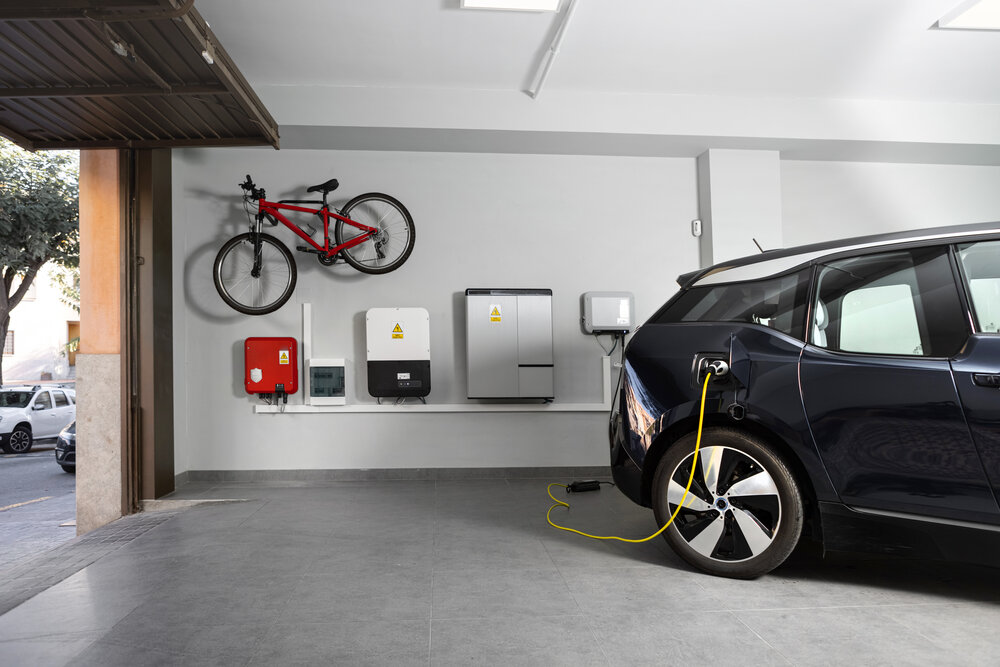
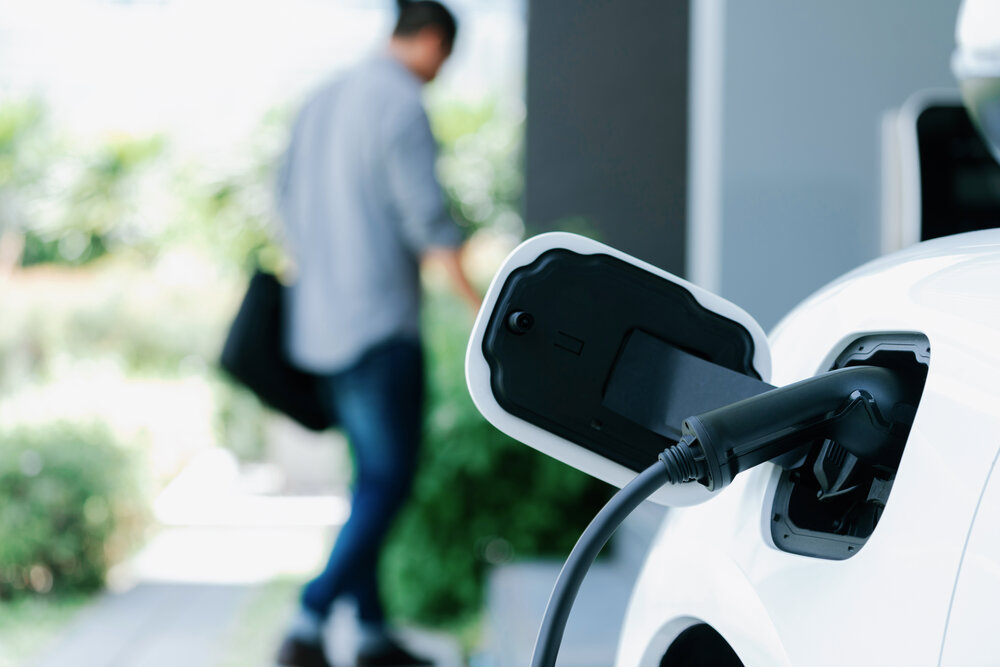
A Level 2 EV charger requires a dedicated 240-volt circuit and adds one of the largest ongoing electrical loads most homes will ever handle. That means your panel needs enough available capacity to support it safely.
Planning ahead gives you time to:
- Understand your current electrical capacity
- Budget for upgrades if needed
- Coordinate electrical work with future remodeling projects
- Avoid rushed installation decisions
- Prepare for additional future electrical demands
EV Charging Is One Part of a Bigger Shift
Many homes are already becoming more electric overall. In addition to EV charging, homeowners are increasingly adding heat pumps, electric water heaters, home offices, battery backups and other systems that place additional demand on your electrical system.
Even if your current setup works fine today, your home’s electrical needs five years from now may look very different.
Already Have a 100-Amp Panel?
Many homeowners assume a 100-amp service automatically means they cannot install EV charging. That is not always true. Some homes can safely support EV charging on existing service depending on charger size, overall electrical usage and charging habits.
(We covered this in more detail in our article: Is EV Charging Possible on a 100-Amp Service?)
Why a Load Calculation Matters
One of the most important parts of EV preparation is a professional electrical load calculation. This process evaluates:
- Existing electrical demand
- Major appliances
- HVAC systems
- Available panel capacity
- Future electrical plans
In many cases, homeowners discover they have more options than they expected. Sometimes a smaller charger solves the problem, but other times, a panel upgrade makes the most sense.
The goal is not just making an EV charger work today. The goal is ensuring your electrical system is ready for where your household is headed over the next decade.
Planning Ahead Saves Significant Money
One of the smartest things homeowners can do is prepare for EV charging before it becomes urgent. For example:
- Running conduit during a remodel is far cheaper than opening finished walls
- Coordinating a panel upgrade with other electrical work reduces labor costs
- Preparing for multiple future EVs now can avoid repeating work later
- Installing infrastructure early simplifies future charger installation
Waiting until the vehicle is already in the driveway creates unnecessary pressure AND limits your options.
EV-Ready Homes Are More Attractive
Homebuyers are paying more attention to electrical infrastructure than they did even a few years ago. An EV-ready home may appeal more to buyers because it suggests modern electrical capacity and future-focused upgrades.
Even homeowners who are unsure about buying an EV themselves may benefit from preparing their home for the future market.
Hardwired vs. Plug-In Chargers
When the time comes to install a charger, homeowners typically choose between plug-in chargers using a 240-volt outlet and hardwired charging systems. The right option depends on:
- Your panel capacity
- Charger location
- Charging speed goals
- Local electrical code requirements
A professional electrician can determine the best setup for your home and long-term plans.
Don’t Wait Until You Need the Charger
Whether you are planning to buy an EV next year or simply thinking ahead for the future, evaluating your electrical panel now can help you avoid surprises, reduce future costs, and make the transition much easier when the time comes.
At Fischer Electric, we help homeowners prepare their homes for future electrical needs with panel evaluations, upgrades, and EV charging installation planning. If an electric vehicle could be in your future, now is the time to make sure your home is ready for it.