If you own an older home, you may wonder if it has aluminum wiring, and what that actually means.
Does aluminum wiring make a house unsafe? Do I need to completely replace it? And how can you tell whether your home has it in the first place?
Aluminum has been and continues to be used safely in electrical systems, including for certain large electrical conductors. The concern with older residential aluminum wiring is more specific: the aluminum wire used in many homes during the 1960s and 1970s can create problems if the wiring, devices or installation techniques aren’t appropriate for aluminum.
Finding aluminum wiring in an older Seattle-area home doesn’t mean you need to rewire the entire house, but it does mean the system should be evaluated by a qualified electrician.
Why Was Aluminum Used in Older Homes?
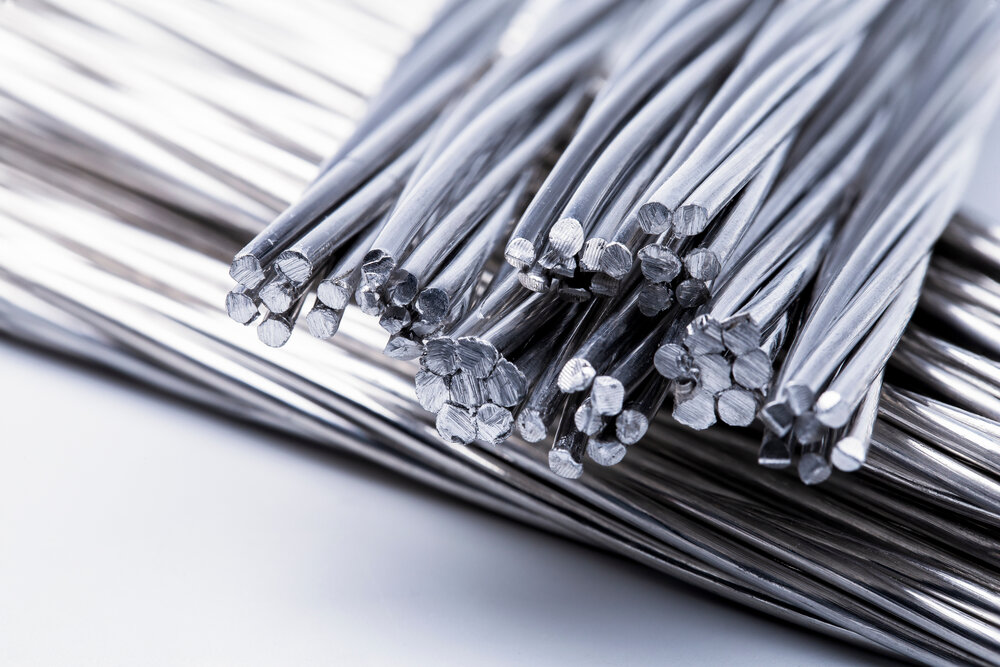
During the 1960s and early 1970s, rising copper prices made aluminum an attractive alternative for residential electrical wiring. Aluminum was less expensive and lighter than copper, and it was used in the branch circuits supplying many homes with power.
The problem wasn’t simply using aluminum as a conductor. The concern developed around how aluminum wiring interacted with electrical connections and devices that weren’t designed for it.
Aluminum expands and contracts more than copper as temperatures change, and it can oxidize when exposed to air. Over time, these characteristics can contribute to deterioration or loosening at connections.
A loose or deteriorated connection creates resistance, which produces heat, and therefore, a safety concern.
Is Aluminum Wiring Automatically Unsafe?
No — the presence of aluminum wiring doesn’t automatically mean that a home has a dangerous electrical system. The condition of the wiring, the quality of the connections and whether an electrician has evaluated the system all matter.
It’s also important to distinguish older aluminum wiring from the type of conductors in some modern electrical applications. Aluminum remains an accepted material for certain electrical uses when the appropriate wire, devices and installation methods are used.
The bigger concern for homeowners is older aluminum branch wiring. The ESFI recommends inspecting older aluminum-wired homes to verify that connections and devices are appropriate for aluminum conductors.
So if you’re buying an older home or discover aluminum wiring during a renovation, don’t assume the worst. Schedule a system evaluation.
How Can You Tell If Your Home Has Aluminum Wiring?
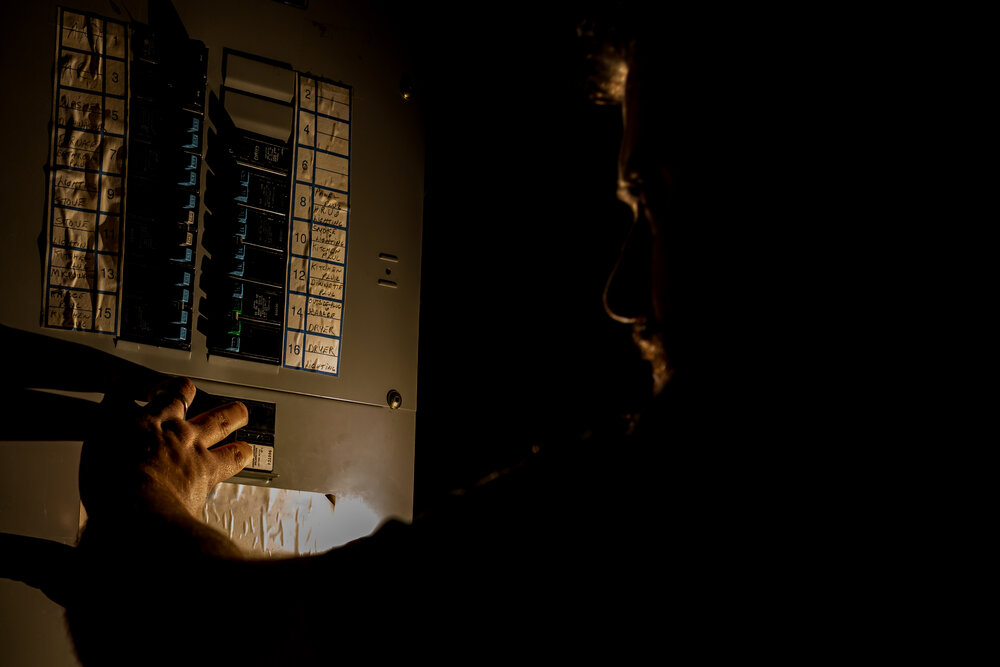
You shouldn’t open your electrical panel or disturb wiring to investigate it yourself. Electrical panels contain energized components even when individual breakers are switched off.
In unfinished areas, however, the cable itself may have identifying markings. Aluminum cable may be marked “AL” or “Aluminum” along its outer jacket. An electrician can determine what type of wiring is present and whether aluminum branch-circuit wiring is part of the home’s electrical system.
If you’re buying an older home, this is one reason an electrical inspection can be particularly useful. A home may have a mixture of wiring types as a result of additions, remodels or previous electrical work.
What Problems Can Aluminum Cause?
There are connections in outlets, switches, light fixtures, junction boxes, circuit breakers and other electrical equipment. If an aluminum conductor connects to a device that isn’t designed for aluminum wiring, or if the connection wasn’t installed correctly, the connection can deteriorate over time.
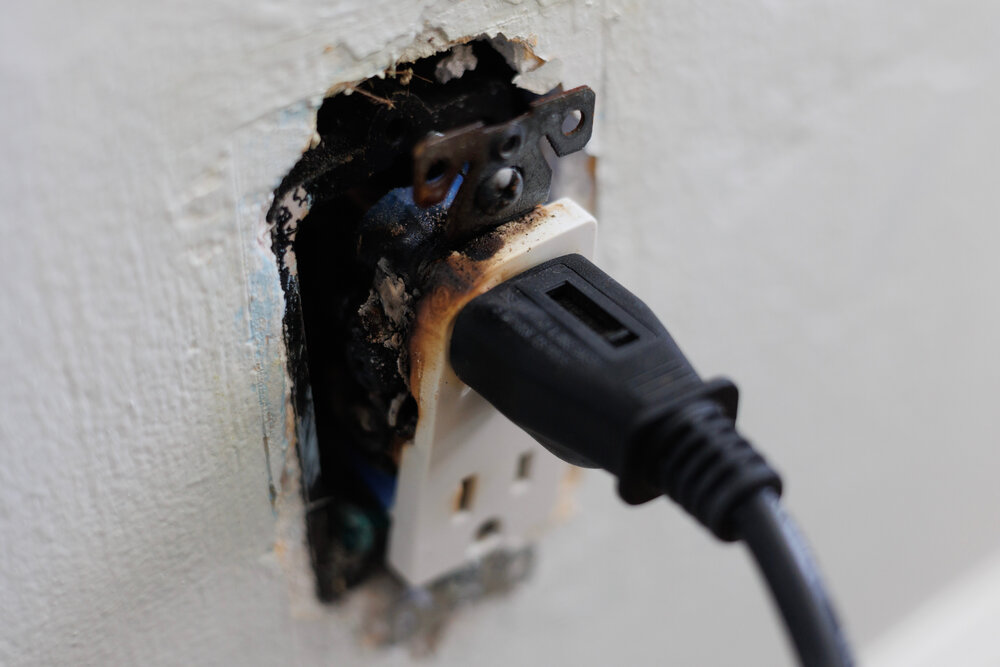
Heat can build up at a compromised connection. In severe cases, that can damage the device, surrounding materials or wiring, and increase the risk of an electrical fire.
This is why an electrician evaluating an older aluminum-wired home isn’t simply asking, “Is the wire aluminum?” They’re also looking at the condition and compatibility of the connections throughout the system.
Warning Signs to Watch For
Some problems associated with aluminum wiring can develop behind walls or inside electrical boxes without being obvious. However, there are warning signs homeowners shouldn’t ignore.
- Warm or unusually hot outlets or switch plates
- Discoloration around an outlet or switch
- Flickering or dimming lights
- A burning or unusual odor near an outlet or switch
- Buzzing, sizzling or crackling sounds
- Sparks or arcing
- Outlets, switches or circuits that stop working
- Circuit breakers that trip repeatedly
These aren’t problems that you should investigate by taking apart an outlet or opening the electrical panel. The U.S. Consumer Product Safety Commission specifically advises homeowners to seek qualified help when these warning signs occur.
Some of these symptoms can also have causes unrelated to aluminum wiring. A flickering light, for example, doesn’t automatically mean a home has a wiring problem.
Does Aluminum Wiring Need Replacement?
If an inspection finds aluminum wiring, the appropriate solution depends on the condition of the system and its connections.
In some cases, it may be best to replace aluminum wiring with copper as part of a larger rewiring project. This can be a significant undertaking, particularly in a finished home, but it does provide a way to replace affected branch-circuit wiring rather than continuing to rely on the existing aluminum conductors.
The important point is to not attempt to fix aluminum wiring with an improvised connection or a generic connector. Only a qualified electrician who is familiar with aluminum wiring should perform a repair.
What Should You Do If You Find Aluminum Wiring?
If your home was built during the era when aluminum wiring was commonly used, or an inspection reveals aluminum branch-circuit wiring, don’t panic and don’t start replacing outlets yourself.
Instead, have an electrical system evaluation from a qualified electrician. An inspection determines the type of wiring is present, identifies problematic connections and helps you understand whether the appropriate solution is repair, replacement or continued use.
And if you’re already seeing warm outlets, burning odors, flickering lights, buzzing, discoloration or other signs of an electrical problem, don’t wait — schedule an inspection.
Aluminum Wiring Isn’t a Mystery
Aluminum wiring has a complex history, but don’t assume its presence automatically makes an older home unsafe. The important questions are the wiring installation, its condition and whether its connections and electrical devices are appropriate for aluminum conductors.
If you’re concerned about aluminum wiring in your Seattle-area home, Fischer Electric can inspect your electrical system, identify potential problems and explain your options. Whether your home needs a targeted repair or more extensive rewiring, an experienced electrician can help you make an informed decision about your home’s electrical system.