Is It Safe to Replace a Circuit Breaker Yourself?
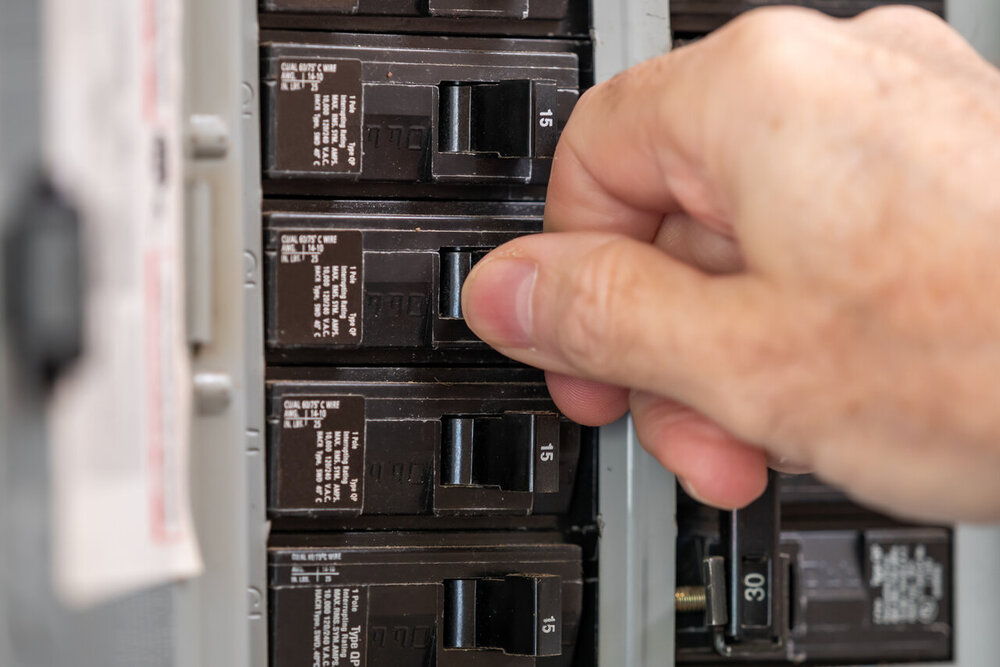
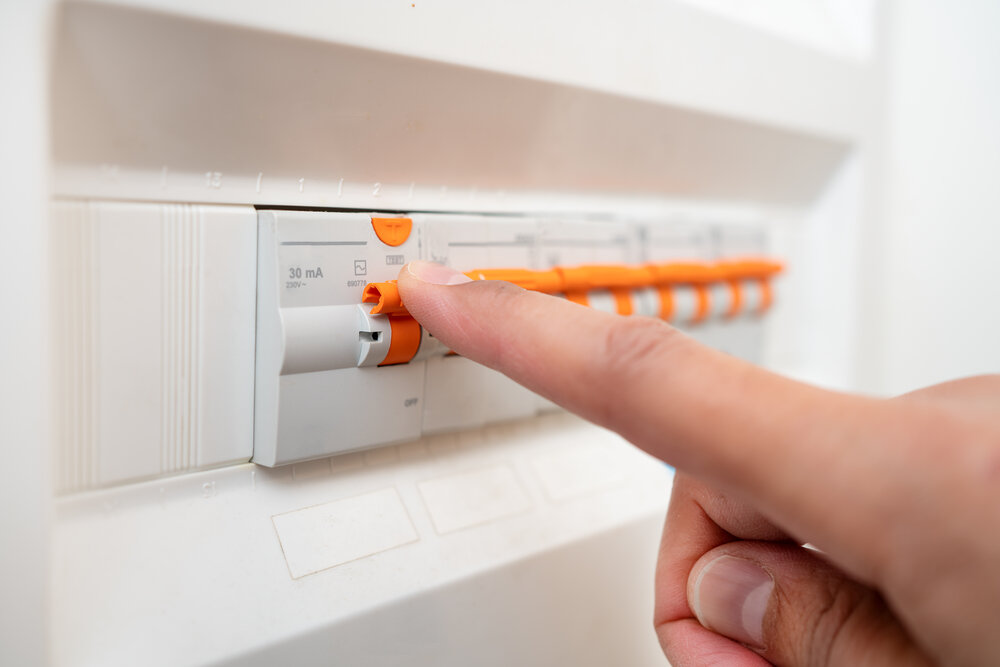
Replacing a breaker looks like a simple task: pop the old breaker out, snap a new one in, and you are done. In reality, you’re working inches away from components that could still be energized even when the main breaker is switched off. A single slip of a screwdriver or contact with the wrong terminal can have life-threatening consequences.
There’s also a danger in choosing or installing the wrong breaker. If a breaker is oversized for the wiring it protects, it may not trip when it should, allowing the wires in your walls to overheat and potentially start a fire. Even if everything appears to “work” afterward, improperly installed or mismatched breakers can quietly compromise your home’s safety for years.
Building and electrical codes add another layer of complexity. Professional electricians are trained to follow national and local requirements, including rules for breaker type, panel fill, grounding, bonding, and available fault current. DIY work that ignores these standards can cause conflicts with home insurance, fail inspections, or force expensive corrections.
In short, just because a breaker can be replaced by a homeowner does not mean it should be. A licensed electrician has the training, tools, and experience to diagnose the real problem, ensure the breaker matches the wiring and load, and verify that the entire panel is safe – not just the one device that is giving you trouble.
Why Is My Circuit Breaker Hot to the Touch?
A circuit breaker that feels warm or hot to the touch is a warning sign that something is wrong and needs prompt attention. While a slight warmth under heavy use can be normal, a breaker that feels noticeably hot is often a symptom of deeper issues in the circuit or panel. One common cause is an overloaded circuit.
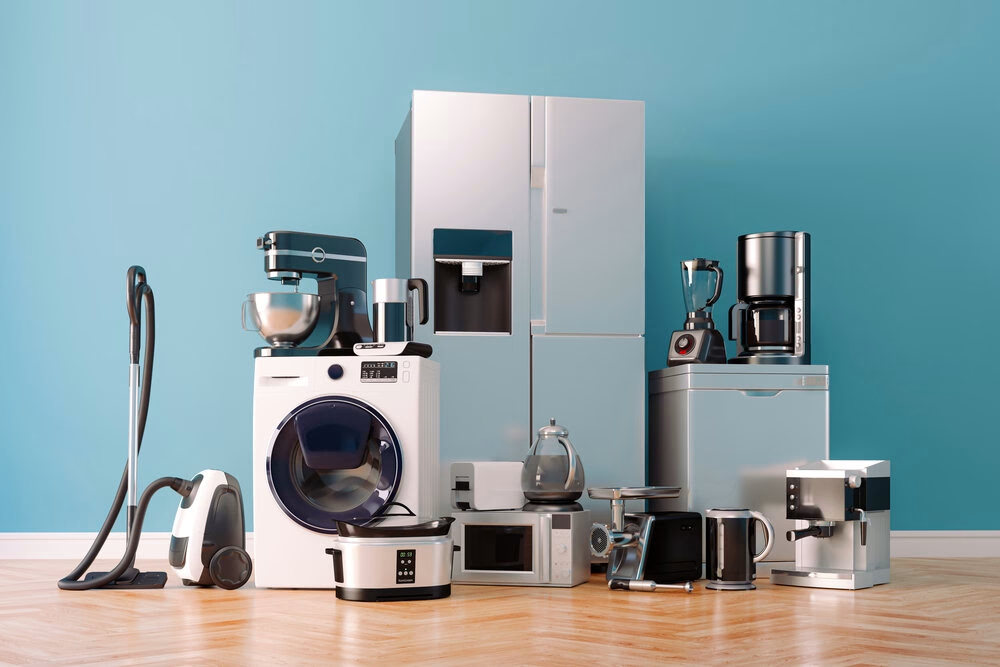
Modern homes use more electricity than ever, and plugging multiple high‑demand devices into the same circuit can push it beyond what it was designed to handle. As the current increases, the breaker and wiring heat up, and the breaker may start to trip more frequently. Continually resetting a hot breaker without fixing the underlying load problem is unsafe.
Loose or deteriorated connections inside the panel can also create heat. When a wire is not securely tightened under the breaker’s terminal screw, or when corrosion is present, electrical resistance increases at that point. That resistance turns into heat, which can damage the breaker, the bus bar, or the insulation on the wiring, and can lead to serious fire hazards.
A breaker can also simply wear out over time. Mechanical parts inside can fail, or internal contacts can become damaged from years of tripping and resetting. A failing breaker may not trip when it should or may run unusually hot even under normal loads. Any hot breaker, burning smell, buzzing sound, or visible discoloration at the panel is a signal to call a licensed electrician immediately rather than attempting a DIY fix.
Signs Your Circuit Breaker Panel Needs an Upgrade
Your electrical panel is the heart of your home’s power system, but it has a limited lifespan. Older panels are insufficient for today’s demand from EV chargers, home offices, smart devices, and high‑efficiency HVAC equipment. At some point, repair is not enough and a full upgrade becomes the safest and smartest option.
Some warning signs that your panel may need to be replaced or enlarged include:
- Frequent breaker trips, especially when using high‑demand appliances at the same time.
- Lights that flicker or dim when large appliances start up.
- Heavy reliance on power strips and extension cords because you do not have enough outlets or dedicated circuits.
Age & Condition
The age and condition of your panel also matter. Panels that are more than 25–30 years old, that still use screw‑in fuses, or that show rust, corrosion, noise, or scorch marks have all reached the point where continued use is risky. Certain older panel brands and models have earned a reputation in the industry for safety concerns. Even if they appear to be functioning correctly, it’s wise to proactively consider replacement.
Future Plans
Your future plans are another reason to consider an upgrade. If you are planning a remodel, an addition, or new loads like an EV charger, your existing panel may lack the necessary capacity or breaker spaces. Upgrading in advance can help avoid nuisance trips, overloaded circuits, and last‑minute delays when your project is underway.
A modern panel upgrade can add capacity, new dedicated circuits, and updated safety features such as AFCI and GFCI protection. It also brings your system in line with current electrical codes, which is critical for both safety and resale value.
Breaker and Panel Work Should Be Always be Professional
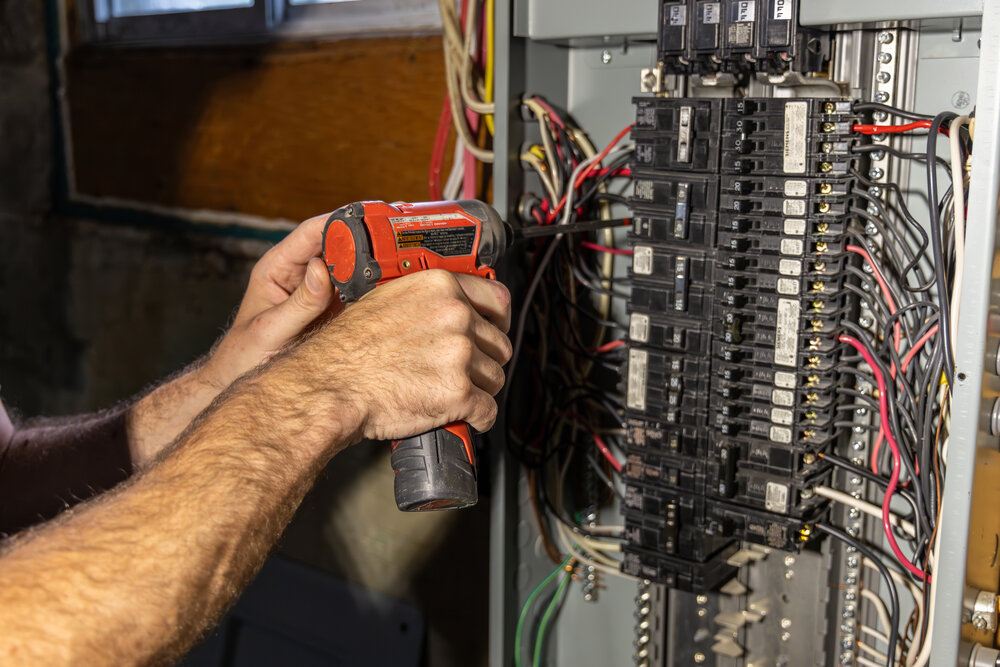
Breaker replacement and panel upgrades sit at the intersection of safety, code compliance, and long‑term reliability. While small electrical projects such as replacing a fixture or outlet is. manageable for some homeowners, panel work is different.
The combination of high current, tight clearances, and complex code requirements makes this a project best left to trained professionals. A licensed electrician does more than simply install a new breaker. The electrician will:
- Diagnose why a breaker is tripping or running hot instead of just swapping it out.
- Verify wire sizes, breaker ratings, and load calculations.
- Inspect the panel for loose connections, corrosion, signs of overheating, and other hidden issues that a homeowner might miss.
For panel upgrades, a professional will handle permitting, utility coordination, and ensure that grounding and bonding meet current standards. This process provides protection from future problems as well as documentation of the work for peace of mind.
Safety First
You should always treat your electrical system with caution. If your breaker is hot, constantly tripping, visibly damaged, or if your panel is old and struggling to keep up with your home’s needs, the best next step is to contact a licensed electrician. After they inspect the system, they’ll recommend the right repair or upgrade.
If you’re ready to upgrade, or worried about a hot or constantly tripping breaker, contact our licensed experts today. We’ll schedule an inspection, discuss panel upgrade options, or schedule repair so you can protect your home with confidence.